
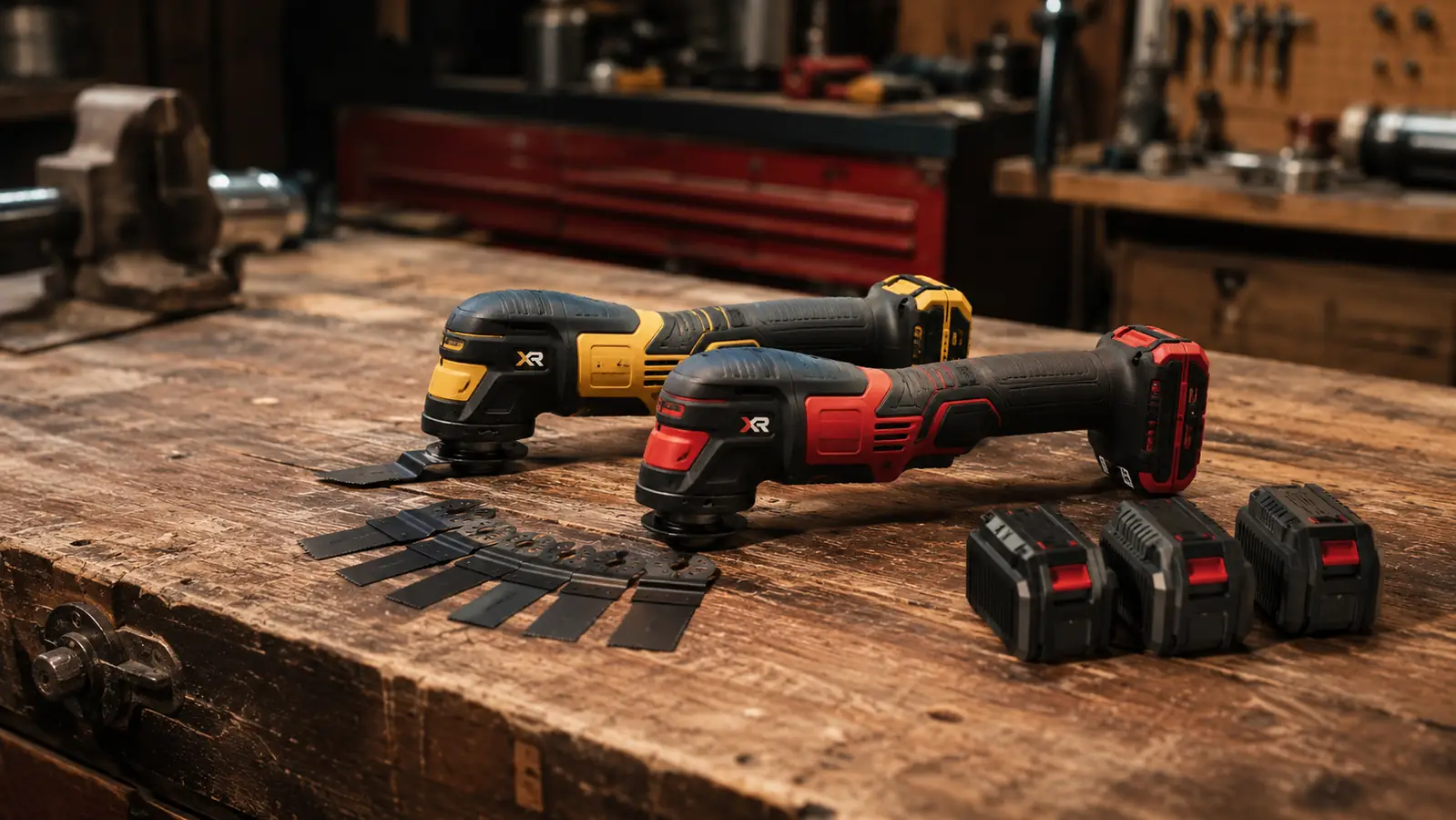
Two years ago I put a DEWALT DCS356C1 into my bag and told myself it was just for the occasional door stop and a quick quarter-round trim. It was not. That oscillating tool turned out to be the most carried tool I own, and I have since logged enough hours with it, and enough hours with a borrowed Milwaukee M18, to have a real opinion on the question every guy who is about to buy one asks. So if you are standing in the aisle between the two most respected names in cordless and wondering which oscillating multitool earns its blade budget, here is the honest, unsold version.
The short answer is that both will cut flush, sand a corner nothing else can reach, and chew through grout, and either one is more capable than the jobs most of us will hand it. The difference is not a headline number. It comes down to how the tool feels over a long afternoon, how the blades are handled, and what a kit actually puts in the box for the money. I will give you the split I landed on and be straight with you about which one the pro is right about.
| DEWALT DCS356C1 | Milwaukee M18 | |
|---|---|---|
| Price out the door | Kit ships with a battery, a charger and a set of blades for a working homeowner's price | Often sold as a bare tool, so the battery and charger are yours to buy on top |
| Vibration and comfort on long jobs | Fine for trim and flush cuts, but your hand starts to complain on a long seam of grout | The Fuel line's low-vibration engineering is the real deal on continuous grout and tile removal |
| Max speed | Three speeds up to 20,000 OPM, easy to dial down for a fine cut | Also tops out around 20,000 OPM |
| Blade change | Tool-free quick-change on a universal adapter that takes most common blades | Tool-free quick-change on an equally handy universal adapter |
| Battery platform | Runs the same 20V MAX cells as the rest of a huge homeowner and light-commercial line | M18, the deepest pro-grade ecosystem in cordless |
| Best for | The property owner who does trim, flush cuts, PVC and the occasional grout on one battery platform | The tradesman who runs it all day on tile and demolition and already lives in the M18 family |
The kit that shows up ready to work, battery and blades included
If you are not already anchored to a pro cordless platform, this DEWALT DCS356C1 gets you a brushless multitool, a battery, a charger and blades without a second trip to the register. It is the version of this tool that makes the math easy for a property owner.
Amazon Check Today's Price on Amazon →How I Tested These Two Multitools
I do not do dyno charts or torque benches, and I do not pretend to. I use tools until they prove themselves or until they annoy me. Over the last two years I have run the DEWALT DCS356C1 on my own house and on a rental unit, and I have borrowed the comparable Milwaukee M18 from a neighbor who does tile work and let him have at mine in return. Same kinds of jobs on both: trimming a door casing flush to a jamb, cutting quarter-round that the saw would have scratched, notching PVC for a plumbing run, and digging out grout in a bathroom I was redoing.
That approach matters, because the way these two differ does not show up on a spec sheet. Both are brushless. Both are more than fast enough. What the comparison actually turns on is how the tool behaves the third hour you are holding it, how fairly it treats the blades you feed it, and how it slots into the cordless world you already live in. So I kept a running mental ledger of which one I reached for without thinking, and just as telling, which one I hesitated to pick up for a long job.
Where DEWALT Wins
Start with what arrives in the box, because that is where DEWALT is genuinely and honestly better for the buyer I write for. This is a kit. It shows up with a battery, a charger and a set of blades, ready to work, for a price that a bare-tool Milwaukee build typically beats only after you have also paid for an M18 battery and charger. When I weigh a purchase as a tool that either pays for itself in saved labor or does not, that packed box does a lot of the arithmetic for me before I even pull the trigger.
The other thing DEWALT gets right is the range of control. The three speed settings run from a low, gentle oscillation that is perfect for a fine flush cut on a soft door stop, up to a fast 20,000 OPM for chewing through PVC and grout. For the mix of work most homeowners actually hand this tool, that flexibility is worth more than any single headline stat. And the LED light at the head is not a gimmick; when you are cutting under a sink or flush against a dark jamb, it is the difference between seeing what you are doing and guessing at it.
Where Milwaukee Wins
I will give Milwaukee what it is owed, because this is not a one-sided argument and pretending otherwise insults both of us. The M18 Fuel multitool has noticeably better vibration control on long, continuous jobs. If you are the guy removing a whole tub surround one seam of grout at a time, your hand will tell you the difference inside twenty minutes. DEWALT is fine and controllable, but on hours of sustained grout and tile work, Milwaukee genuinely lets your hand keep up longer. That is real, earned, and worth the premium to the man who does it for a living.
Milwaukee is also the deeper pro ecosystem, full stop. If you already own M18 drills, drivers, saws and the rest of that enormous line, adding the multitool is a no-brainer that runs off the batteries you have. Nobody who lives in the M18 family is going to switch platforms over a multitool, and I would not talk him out of the one that slots straight into his kit. That is a genuine advantage, just one aimed at the guy carrying the tool eight hours a day rather than the guy fixing a rental's trim on a Saturday.
On a long seam of grout your hand tells you the difference between these two in twenty minutes. On a trim job, both cut clean enough that you'd be hard pressed to tell them apart.
The Blade Budget Nobody Talks About
Here is the thing the big-tool comparisons almost always skip, and it is the reason I titled this the way I did. The oscillating tool itself lasts years. The blades wear out, and good blades are not cheap. Both of these tools accept the universal adapter style of blade, so both can run the same common blades off the shelf, which is a real point in both their favors and keeps you from being locked into one brand's expensive proprietary blades. That matters to me as an investor, because blade cost is the ongoing expense that outruns the price of the tool, and neither of these traps you into paying top dollar for consumables.
The honest note here is that blade choice matters more than which tool you pick. A sharp, appropriate blade makes either one cut like a dream; a dull or wrong blade makes the best tool on the market feel like a pig. So while the tool split matters, I would put more of my energy into learning which blade does which job, a flush blade for wood, a metal-cutting blade for nails and screws, a grout blade tip for tile, than into agonizing over the tiny performance gap between these two excellent machines.
A Weekend of Real Work, Side by Side
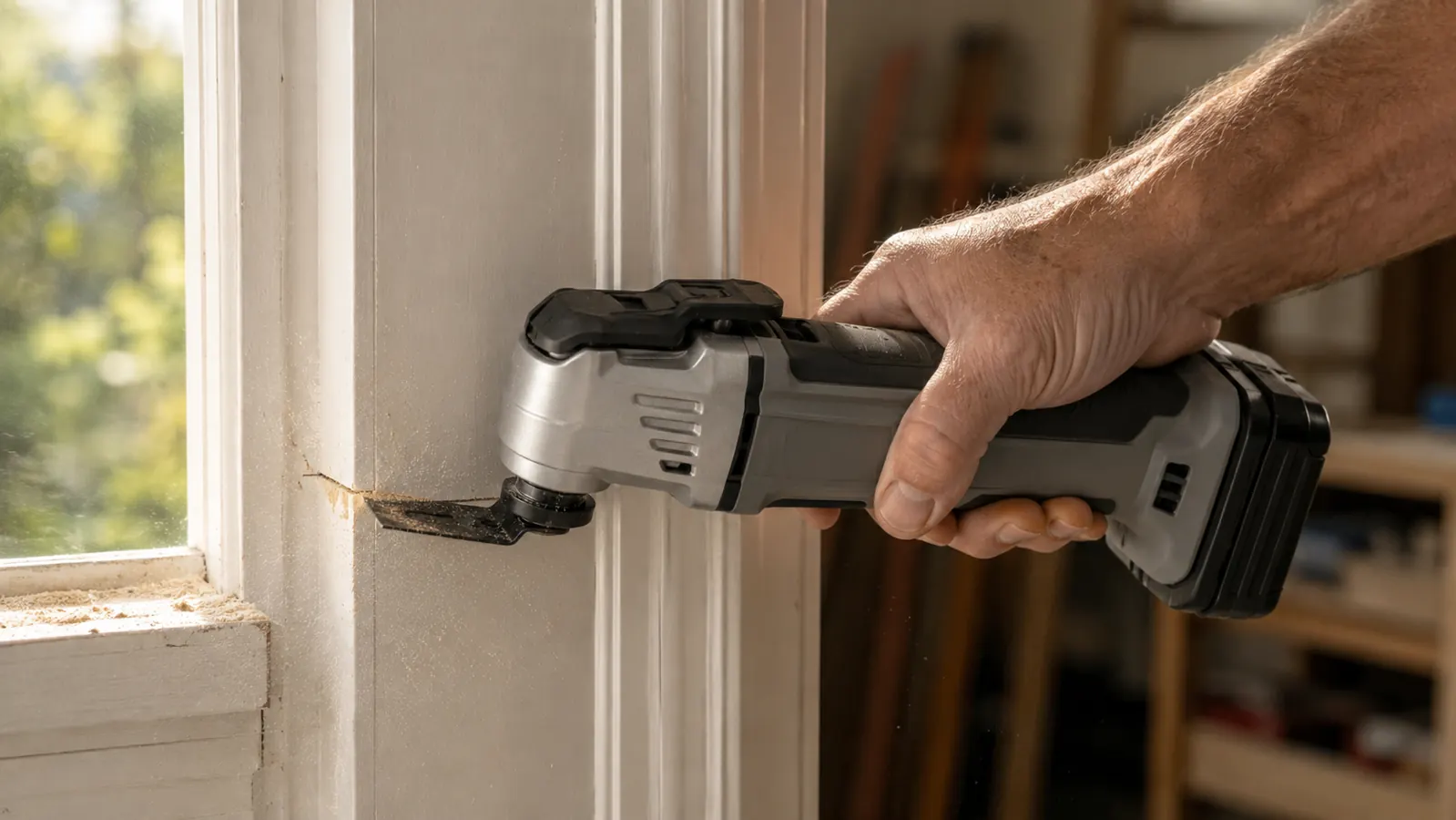
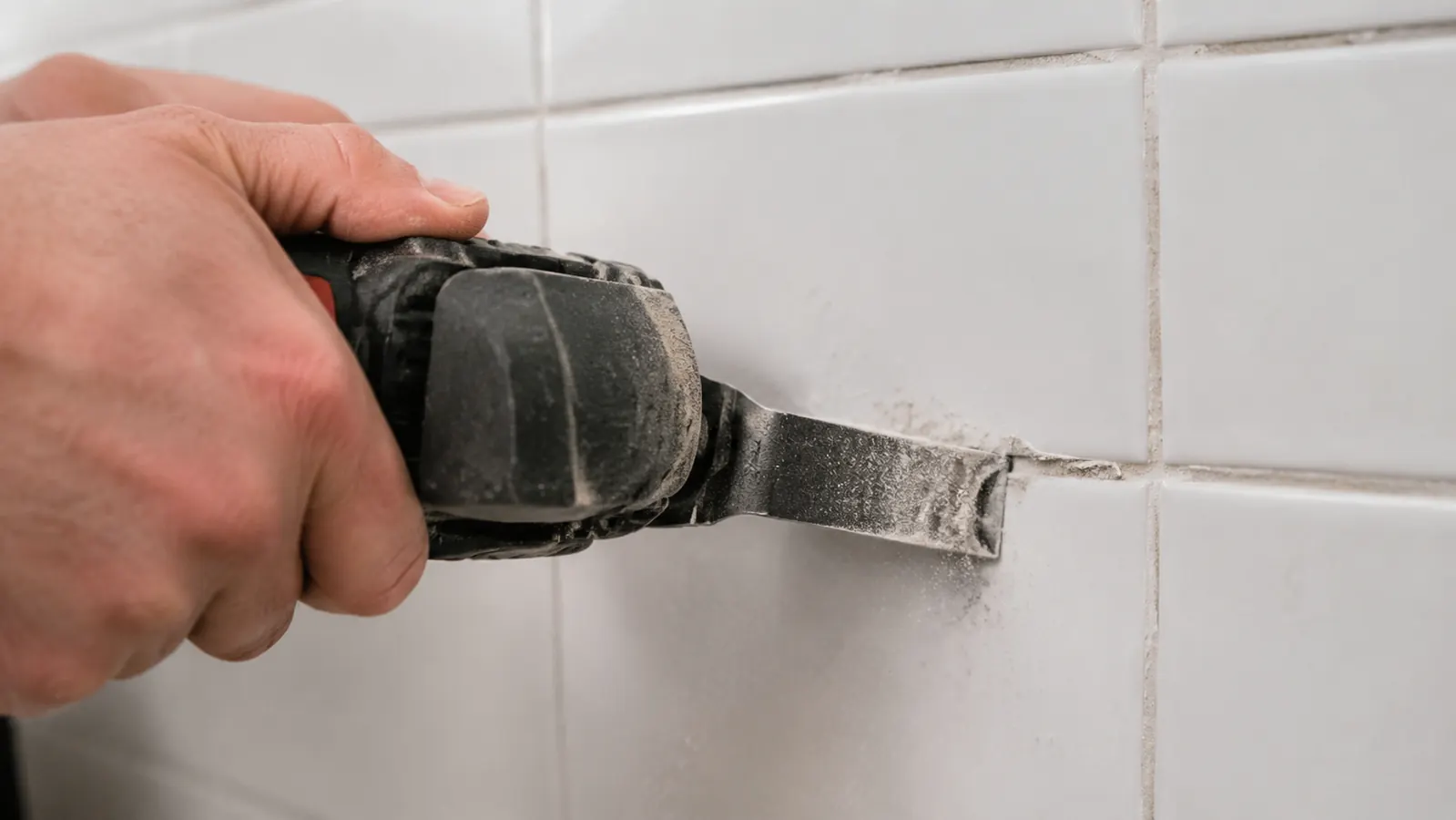
The comparison is easier to trust when I run it past a specific Saturday, so let me give you one. I was redoing a rental's bathroom, which meant removing the old trim, notching a couple of PVC stubs, and chipping out the grout around a cracked tub. I started with the DEWALT and it made short, controlled work of the trim cuts, that low speed setting let me shave a line flush to the jamb without marring the paint I was keeping. The grout was where my hand started to talk back after a stretch, so I switched to the Milwaukee for the rest of the tile work, and it finished the seam with less vibration in my grip.
Here is the honest takeaway from that weekend. For the jobs that make up eighty percent of what most of us do, the trim, the flush cuts, the PVC, I could not pick the two tools apart blindfolded. Both cut clean, both were easy to control, and both left a finish I did not have to sand or spackle. The split only showed up on the long grind, and only there did the Milwaukee's comfort engineering earn its keep. That is a narrower crack than the fan forums would have you believe, and it is a crack you should measure against your own work before spending the extra money.
What Both Get Right
For all the loyalty the two camps argue over online, these multitools agree on the things that matter most. Both are brushless, which means both squeeze long runtime out of a charge and run cooler than the old brushed machines. Both change blades tool-free in seconds, a feature I refuse to give up now that I have had it. Both are robustly built and will take a knock off a step or a slide across a workbench without complaint. If you are choosing between these two for general house work, you are choosing between two very good outcomes, not between good and bad.
The honest truth is that most homeowners could buy either of these and be perfectly happy for a decade. The differences concentrate at the edges, in sustained comfort and in the price of a fully stocked box, and those are exactly the two edges I described above. So the decision really reduces to a clean two-word framing: are you a pro who lives deep in one ecosystem and works the tool all day, or a property owner who wants one complete, fair-priced multitool that earns its keep on a Saturday? Your honest answer picks your column.
Who Should Buy Which
If you are the tradesman who runs an oscillating tool all day on tile, grout and demolition, and you already live in the M18 family, buy the Milwaukee and do not let a homeowner talk you out of it. The vibration control genuinely pays you back on a long job, and it slots onto the batteries you already own. Nobody should pretend that premium is wasted on you, and the comfort over an eight-hour day is worth the badge to the man who earns his money holding the tool.
But if you are the guy I write for, the self-reliant homeowner who does his own trim, flush cuts, PVC and the occasional grout repair, and who is starting from nothing this weekend, the DEWALT DCS356C1 is the better buy. It shows up complete with a battery, charger and blades for a fair price, it runs the enormous 20V platform you are likely building anyway, and on the jobs you will actually hand it, it cuts just as cleanly as the Milwaukee. The savings go straight to blades, which is exactly where this tool spends its money. That is where the blade budget makes sense.
The Runtime Question and the Rental Factor
Battery runtime is the other thing property owners should weight differently than a pro does. On a jobsite, a tradesman keeps two or three M18 cells charged and swaps them all day, so runtime barely registers as a difference between these two. For me, working Saturday mornings and Sunday afternoons, that is not how it goes. I grab one battery in the morning and I expect it to see me through whatever trim and flush cut the day throws at me. The brushless DEWALT does that comfortably on a single charge, and the fact that it shares cells with my other 20V tools means I am never out of power with a full rack of spares nearby.
There is also the rental factor, which I think about a lot because I own them. Every one of those units ends up needing the same jobs: a door casing that needs shaved flush, a patch of quarter-round, a PVC stub that has to be notched cleanly so a plumber can tie it in. These are the unglamorous, time-consuming jobs that an oscillating tool turns from an afternoon into twenty minutes. And because the tenant's unit is more likely to get the cheap treatment than my own house, I want a tool that is easy to leave in a work bag and that does not feel precious. The complete DEWALT kit, battery, charger and blades, is exactly that. It lives in the pocket and goes where the jobs are.
Honestly, the one place I would have chosen the Milwaukee would be if my rental repairs ran to whole tile surround removals every few months. They do not. They run to the occasional grout line and a lot of trim. And that, in the end, is the whole comparison in one sentence: buy the comfort if your work is all-day grout, buy the complete kit if your work is everything else.
Slip the multitool onto the platform you already own, at a fair price
The DEWALT DCS356C1 arrives with a battery, a charger and blades so you are working the day it lands. If you are building the 20V series, this is the honest oscillating tool to add, and the savings buy the blades every oscillating owner ends up needing.
Amazon Check Today's Price on Amazon →